Scam America: We All Attend Trump University Now

The Federal Trade Commission announced Wednesday that it had reached a settlement with the New Jersey-based operators of a website called LendEDU, which falsely claimed to offer “unbiased” advice about student loans, personal loans, and credit cards. In fact, LendEDU gave higher ratings to companies that paid for the placement. LendEDU also touted positive reviews
Continue Reading >>>
Koch Puppet to Trump Henchman: Mike Pompeo’s Never Gonna Be President Now
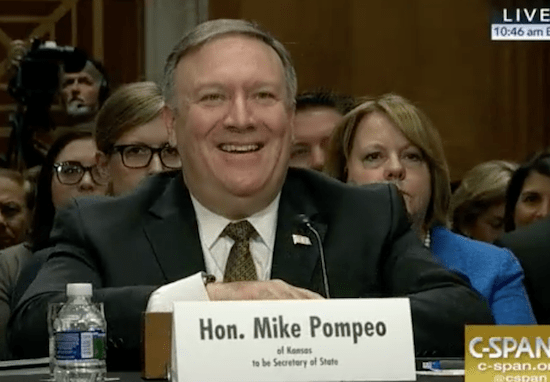
Secretary of State Mike Pompeo is stonewalling, using contrived excuses to delay House investigators from questioning State Department officials who have information relevant to the Trump impeachment inquiry. He’s also been concealing his own involvement: It emerged last night that Pompeo actually listened live to the fated call between Donald Trump and Ukraine president Volodymyr
Continue Reading >>>
Let’s March To Demand Impeachment
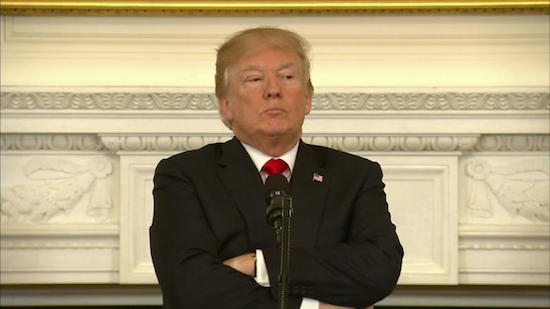
Donald Trump is the most corrupt president in our history, endlessly seeking to use his presidential powers for political and financial gain. His blatant disregard for the rule of law, and for values including human rights, equality, and a free, independent press, pose an existential threat to America’s 250-year experiment with democratic self-rule. This presidency
Continue Reading >>>
Falwell, Trump’s Favorite College President, Pioneered the Scam Non-Profit College
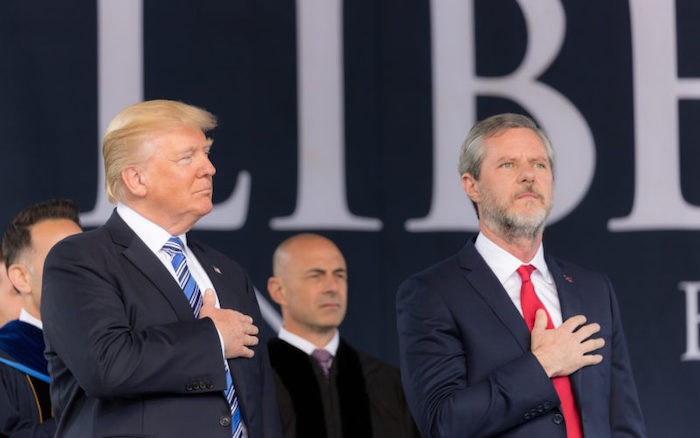
When the head of fraudulent Trump University became President of the United States, he quickly anointed Jerry Falwell, Jr., as his favorite college president. The Liberty University head had endorsed Trump for the White House in January 2016. In return, at least according to Falwell, president-elect Trump offered to make Falwell his Secretary of Education.
Continue Reading >>>
Cohen: I Fear Trump Won’t Leave If He Loses Election
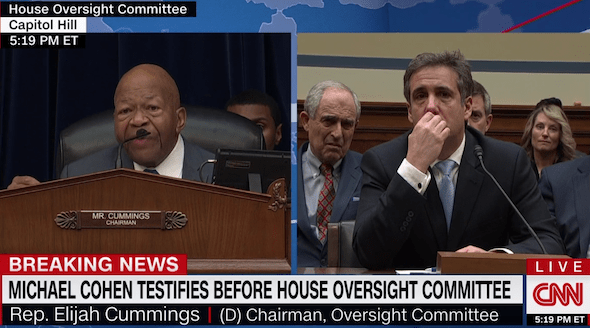
Michael Cohen chose to conclude his dramatic Capitol Hill testimony today with a pointed warning about President Trump. “I fear,” Cohen said, “that if he loses the election in 2020 that there will never be a peaceful transition of power.” In other words, Cohen raised the concern that Trump would refuse to leave the White
Continue Reading >>>
Trump Terrible 10: Jewish Edition
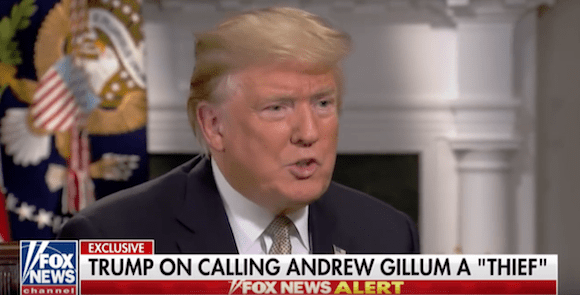
No one loves Israel and The Jews more than Trump. Or The Blacks, or The Mexicans, believe me. Yet, somehow, no one riles up anti-semitic White supremacists more than Trump, or fails to disavow anti-semitic White supremacists more than Trump, or spreads more lies and bigotry than Trump, because, even after the horrific Pittsburgh synagogue
Continue Reading >>>
Trump’s Aggressive Plans to Stifle Democracy
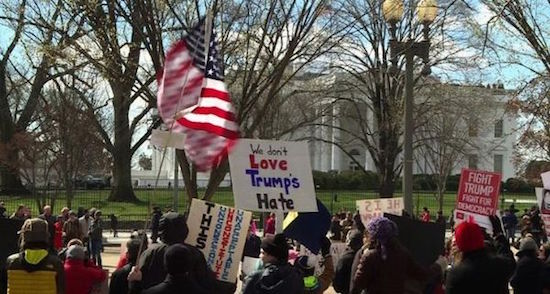
In a Trump administration where policy, on issues from taxes to education to the environment, is skewed sharply in favor of wealthy special interests and driven by officials who previously served as corporate lobbyists, and where the president himself mocks victims of sexual assault, makes common cause with racists, and seems to believe the justice
Continue Reading >>>
Darn, Trump, Democracy is Coming to the USA
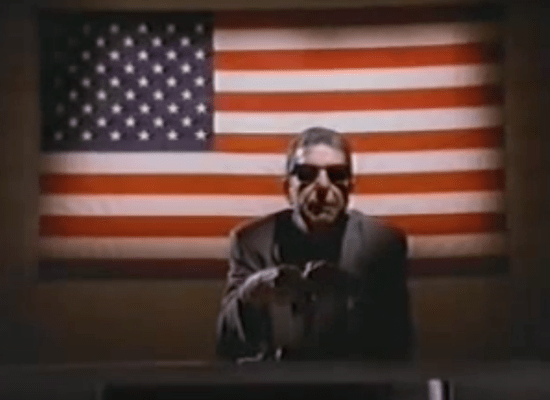
President Trump seems to have no idea what it means to live in a democratic country. In particular, in recent weeks he has ratcheted up his attacks on the rule of law, asserting that government “flipping” of witnesses in order to obtain evidence “almost ought to be illegal”; again demanding the end of the criminal
Continue Reading >>>