Roundup: Amid Protest and COVID Crises, Blatant Trump Corruption Goes On

Our nation faces twin traumas: violent protests and police violence across America in the wake of the brutal police murder of George Floyd, and a deadly pandemic that threatens to resurge. President Trump’s handling of each crisis has been not merely grossly incompetent but also malevolent; his concerns regarding the pandemic have nakedly focused on
Continue Reading >>>
WATCH: COVID-19 Protestors, Like Their President and Party, Are Simply Savages
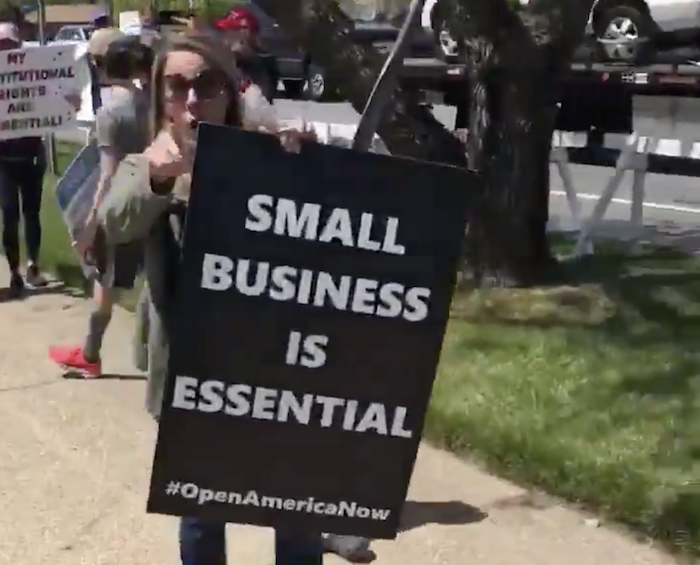
Watch this video, filmed today in Commack, Long Island, New York, by News12’s Kevin Vesey: Protestors against safety measures to protect people from COVID-19 angrily confront the reporter, mindlessly calling him “fake news” and the “enemy of the people,” as if they were zombies unleashed from the brain of Donald Trump. The level of anger
Continue Reading >>>
Seven Ways Trump Has Deepened His Corruption During COVID-19
Before COVID-19 struck, Donald Trump was already a deeply corrupt president — leveraging his presidential office to make money for his businesses, engaging in obstruction of the Russia investigation, pardoning cronies, pressuring Ukraine’s leader to launch a phony investigation of Democratic rival Joe Biden, and much more. But as with his incompetence, ignorance, bigotry, malevolence,
Continue Reading >>>
McCabe Cleared: Justice 10, Trump 0
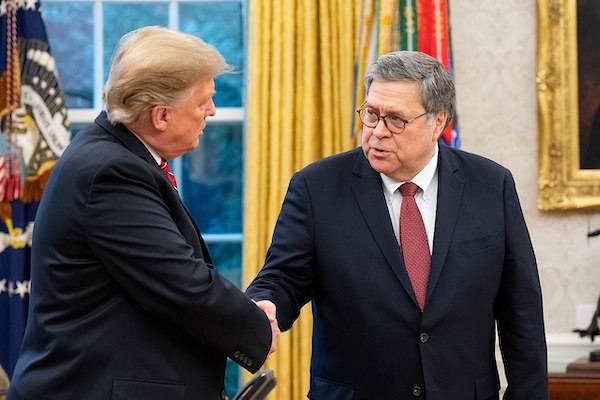
The U.S. Justice Department today declared that it would not pursue criminal charges against former FBI Deputy Director Andrew McCabe. The decision continues a remarkable streak since Trump’s inauguration three years ago: No matter how blatantly Trump has sought, behind the scenes and in his public attacks, to use the Justice Department to prosecute his
Continue Reading >>>
Scam America: We All Attend Trump University Now

The Federal Trade Commission announced Wednesday that it had reached a settlement with the New Jersey-based operators of a website called LendEDU, which falsely claimed to offer “unbiased” advice about student loans, personal loans, and credit cards. In fact, LendEDU gave higher ratings to companies that paid for the placement. LendEDU also touted positive reviews
Continue Reading >>>
Sean Spicer Shills for Predatory For-Profit Colleges

As White House press secretary, he started off telling us the falsehood that President Trump drew the biggest inaugural crowd ever, then defended Trump’s lie that millions voted fraudulently in 2016, and kept going downhill from there. Seeking his fortune after leaving the administration, Sean Spicer started his own consulting firm, became an advisor to
Continue Reading >>>
Let’s March To Demand Impeachment
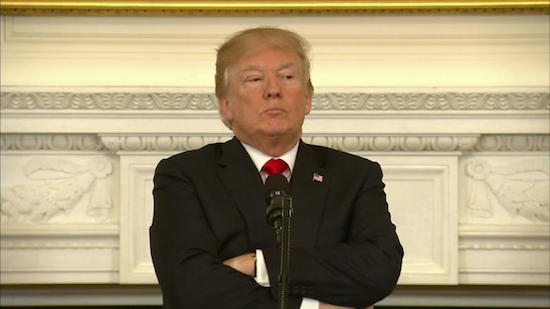
Donald Trump is the most corrupt president in our history, endlessly seeking to use his presidential powers for political and financial gain. His blatant disregard for the rule of law, and for values including human rights, equality, and a free, independent press, pose an existential threat to America’s 250-year experiment with democratic self-rule. This presidency
Continue Reading >>>
Trump Terrible 10: Post-Election Horrible Authoritarian Edition
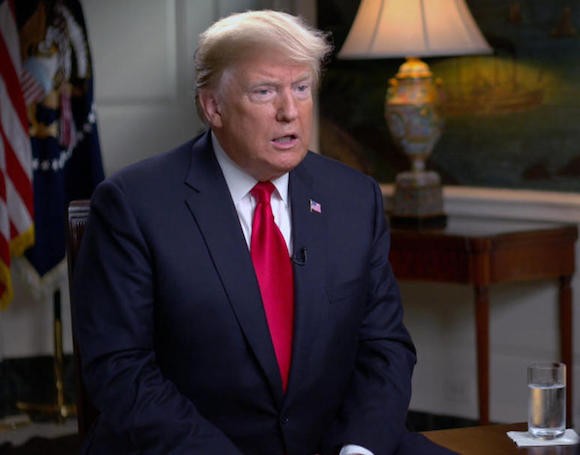
Let’s start with our exclusive interview earlier today with President Donald J. Trump: Republic Report: Thank you, sir, for taking the time to answer a few questions. Trump: RR: OK, first, when it comes to what you hope to accomplish in the new Congress, are you going to be looking into just a few similar
Continue Reading >>>